
woodworms
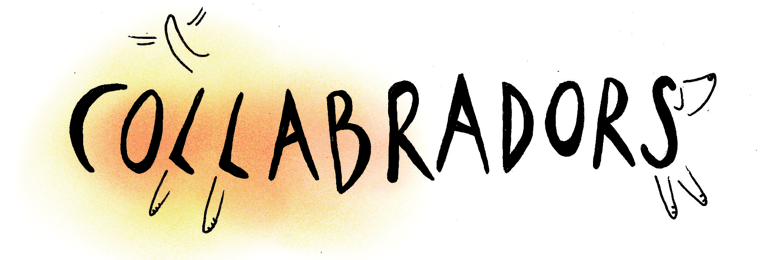
Hylotrupus bajules
collaborating
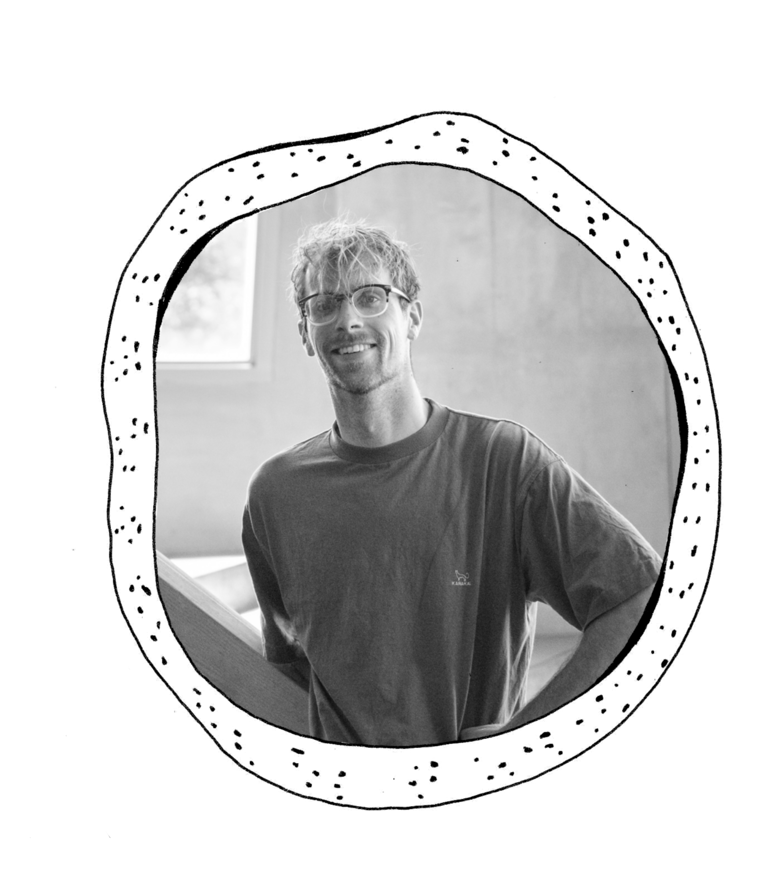
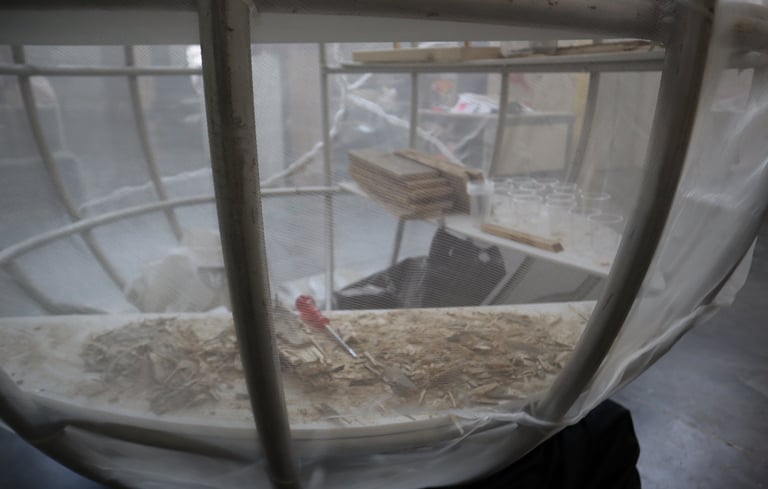
spherical capturing of the woodworms currently residing in the WoodwormWorld, videography by Ties Kalker for KASK
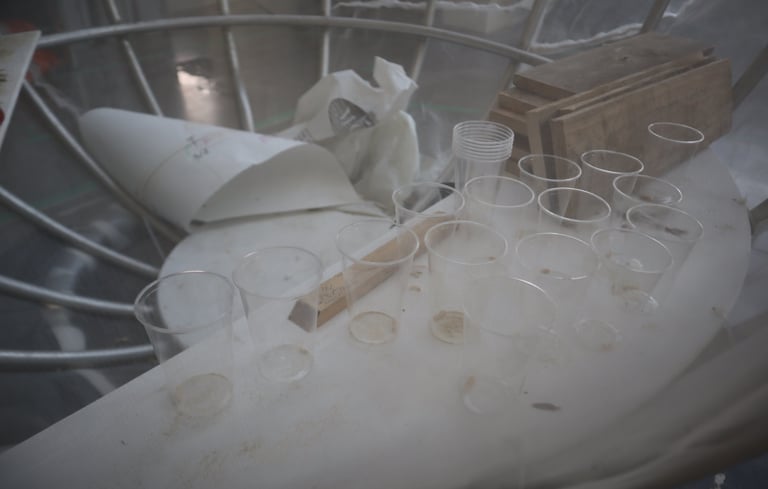
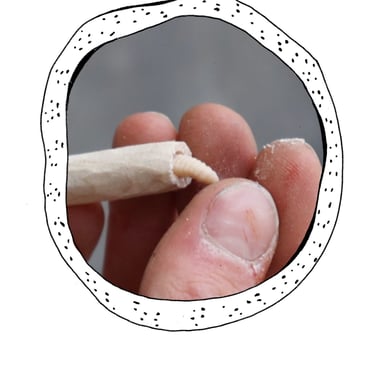
Woodworms have a negative reputation. They are almost exclusively associated with damage, nuisance and the need for control. Their behaviour; feeding on wood, makes them ‘pests’ in our eyes. But what if we stopped seeing that behaviour as problematic and instead saw it as a potentially valuable quality? This project explores how we can reinterpret their voracious behaviour as a form of cooperation. This spherical installation, the WoodwormWorld, explores how we can shape objects in wood together with the woodworm.Their preferences, patterns and behaviour are studied with input from scientific research. Based on this, small-scale experiments are set up, adjusting conditions, always caring for their well-being, to observe how the woodworms react and what they prefer. They are almost exclusively associated with damage, nuisance and the need for control. Their behaviour; feeding on wood, makes them ‘pests’ in our eyes. But what if we stopped seeing that behaviour as problematic and instead saw it as a potentially valuable quality? This project explores how we can reinterpret their voracious behaviour as a form of cooperation.
This spherical installation, the WoodwormWorld, explores how we can shape objects in wood together with the woodworm.Their preferences, patterns and behaviour are studied with input from scientific research. Based on this, small-scale experiments are set up, adjusting conditions, always caring for their well-being, to observe how the woodworms react and what they prefer.The whole installation is inhabited: woodworms move freely throughout this space and the experiments. They can pupate, reproduce.The process is trial and error. Sometimes only a few worms respond to an arrangement, sometimes none. And that's okay. The goal is not control, but a dialogue. A safe space is created for the worms: free from the human reflex to destroy them, and also free from the negative stigma that continues to surround them. And for us, this opens up a new way of working with wood, without energy-intensive machinery, that is slower, more sustainable, and more in tune with the natural world. Working with non-human animals requires a different perspective: a different pace, different needs, and a different relationship to material and environment. But that is precisely why it is valuable to explore this collaboration.
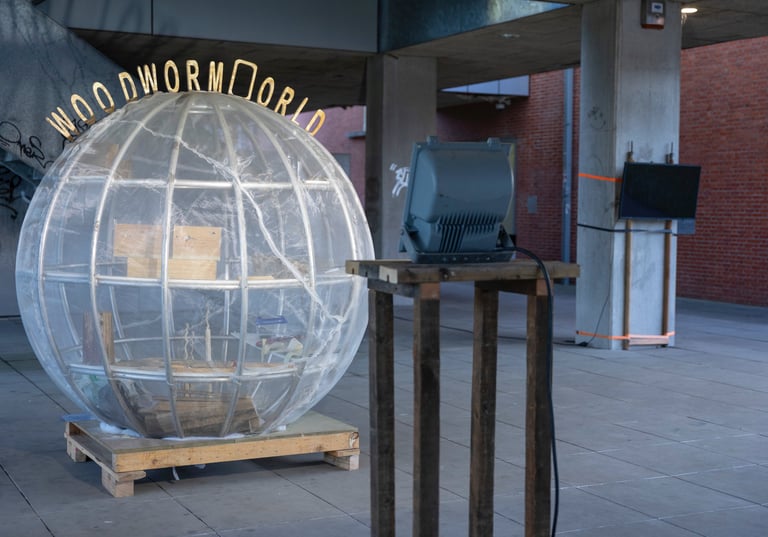
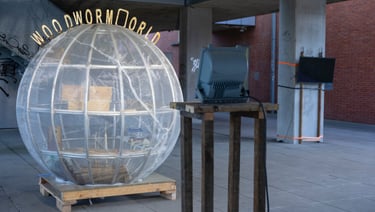
WoodwormWorld, installed at graduation show KASK 2025, photo by